How to spend a summer 

Post-exam celebrations in Durham 

The end of exams is a great time to de-stress and spend some time with friends. As we approach the end of the academic year, here are some brilliant ways to spend this exciting time of year (with some personal highlights). 

Evenings with friends 

After a busy, or even quiet, day, there’s nothing quite like spending an evening chatting away with friends. Whether it’s our usual hangout next to St Mary’s bar – where we seem to always lose track of time, in one of our rooms, or out and about, it’s a perfect use of this period where we don’t have to worry about an early start the next morning. 

For something a little more adventurous, check out one of Durham’s many amazing restaurants: from the brilliant burger hangouts of Tango and Fat Hippo, Italian classics like Spags and Rudy’s (amongst many, many, others), to other favourites like the Food Pit and Claypath Deli; there’s somewhere for every group. A great follow up is a trip to one of the college’s bars, or even a sunset picnic. This is one of the best times you’ll ever get to make close friendships that will last a lifetime. 

Sports 

Durham is one of the leading universities for sports, with thousands of students joining in with college and university levels sports regularly. A highlight of June is the Festival of Sports (FoS), where colleges face off in a one day tournament to see who is best in each discipline. Every year, the atmosphere is electric, yet everyone is very friendly and a great sport. From group pictures with multiple teams, shared picnics, and guest supporters, there’s no friendlier place to enjoy getting active. 
Ultimate frisbee

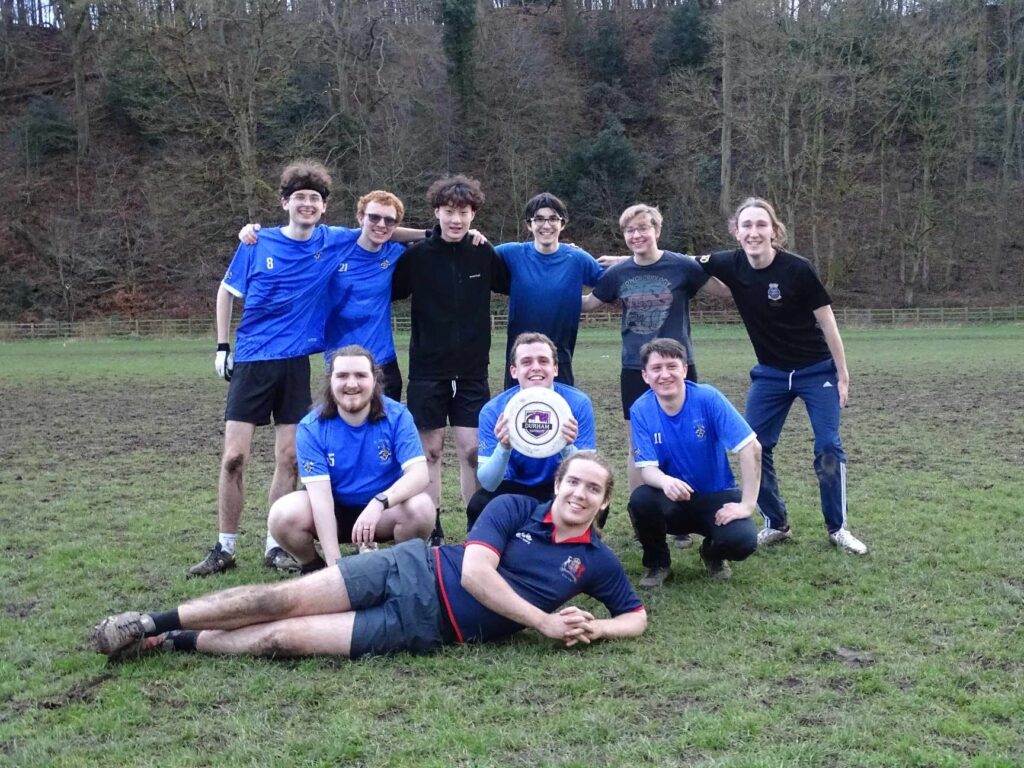
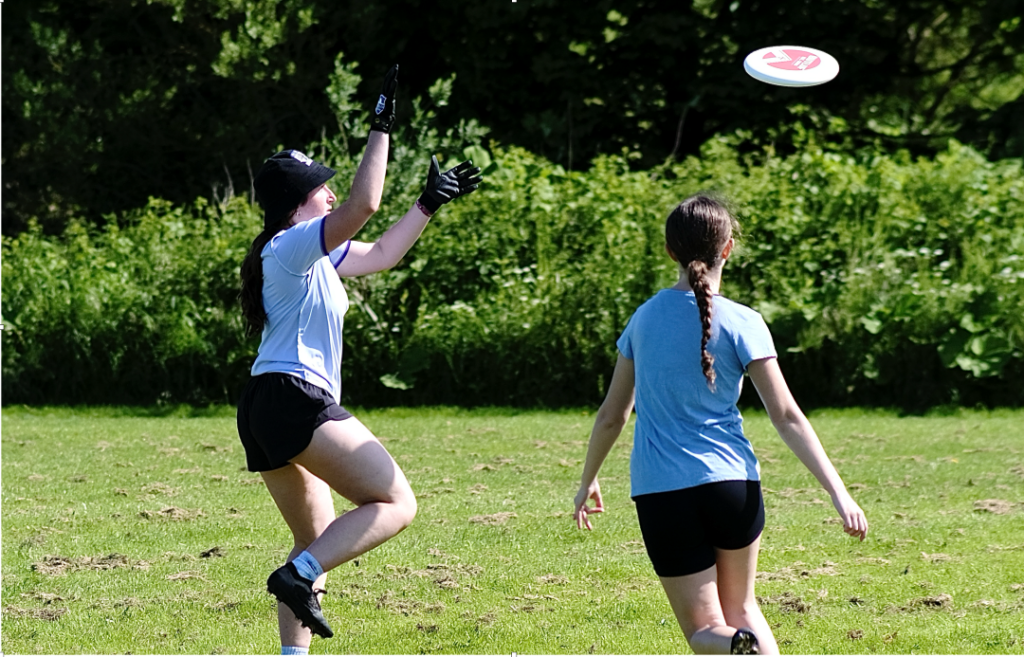
My sport of choice is Ultimate Frisbee, which is a firm Durham favourite. With my college squad – St Mary’s A Team – we managed to go unbeaten all year in both the league and FoS, securing a place at the Feast of Champions meal. At the meal, trophies and awards are given to celebrate the achievements over the last year, but also to bring teams together and develop bonds. It’s a great Durham tradition. 

Another great sport to get involved with is the wonderful Parkrun, where large numbers of students and staff turn up week after week. It’s the most supportive atmosphere for running I’ve ever witnessed. 

Culture 

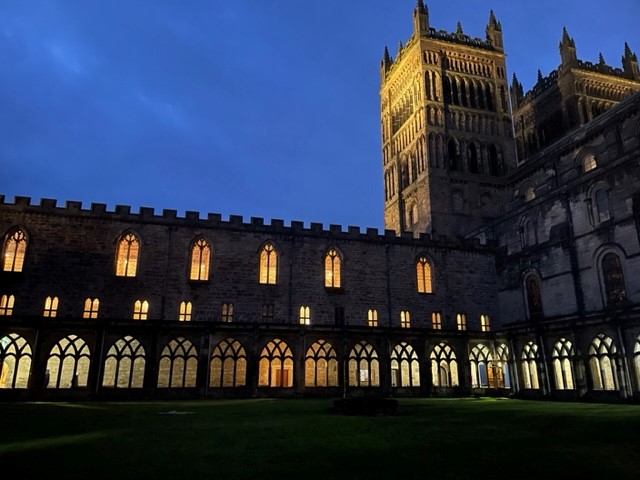
A surprising number of students haven’t properly explored many of Durham’s great historic places: whether it’s our ancient castle, beautiful gardens, free museums, or even our world famous cathedral. Now is the perfect time to discover the history of our city, either on your own, with friends, or on a tour group. 

I’d recommend strongly that you stroll through the cathedral, and admire the stained glass, then afterwards you are in a perfect spot to book a tour of the castle. Maybe if the weather is good, take in one of the gardens; picking from Crook Hall, Old Durham, or the University’s Botanic gardens. 

If you have access to transport, then a little further afield you may find The Story, Locomotion, Beamish, or Ushaw which make for a lovely day out. 
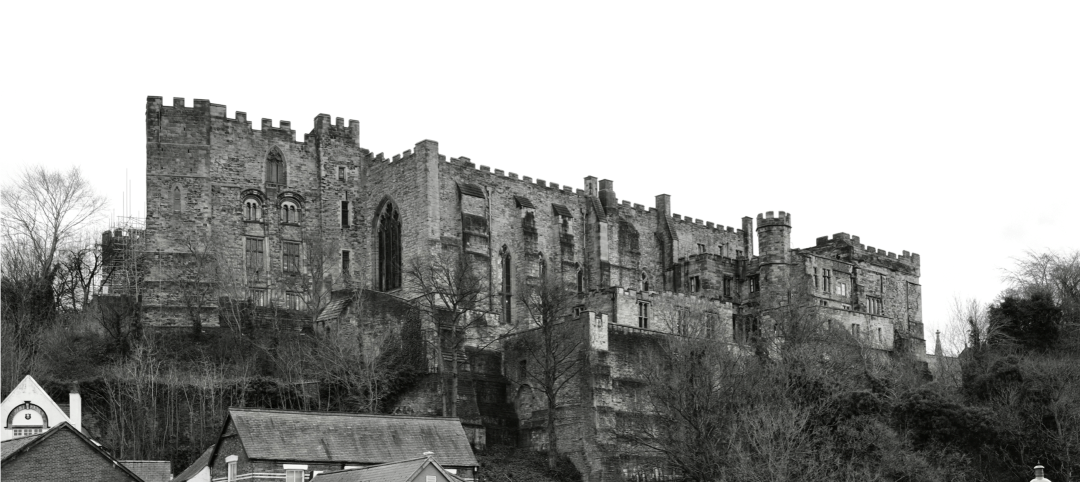
Durham Castle

Another great aspect of Durham is the quantity of shows and gigs on; whether at a cosy bar, all the way up to the big stages of the Gala or cathedral. Recently I’ve been to see the much celebrated Durham Revue at their anniversary performance, as well as going to the amazing Hill Orchestra’s summer concerts. Also, it’s only a few minutes on the train to the Glasshouse in Gateshead where even more gigs are available to see. 

For many, even more than just a chance to see these acts, it’s a chance to get involved by performing and producing themselves. 

Lastly, each June is Durham Regatta, one of the oldest in the country. It’s always a lovely time to spend the day watching the boats go by and (usually) enjoying the sun. Or maybe you fancy going for a row yourself on one of our lovely summer days by hiring a boat for an hour or so with friends. 

Walking 

As all of my friends know, I’m a walking fanatic! I’ve been known to say words to the effect of a day with less than 10k steps is a day wasted. Now, I’ve created lots of content about walking here already (links at the end) but still, a little reminder won’t hurt! 

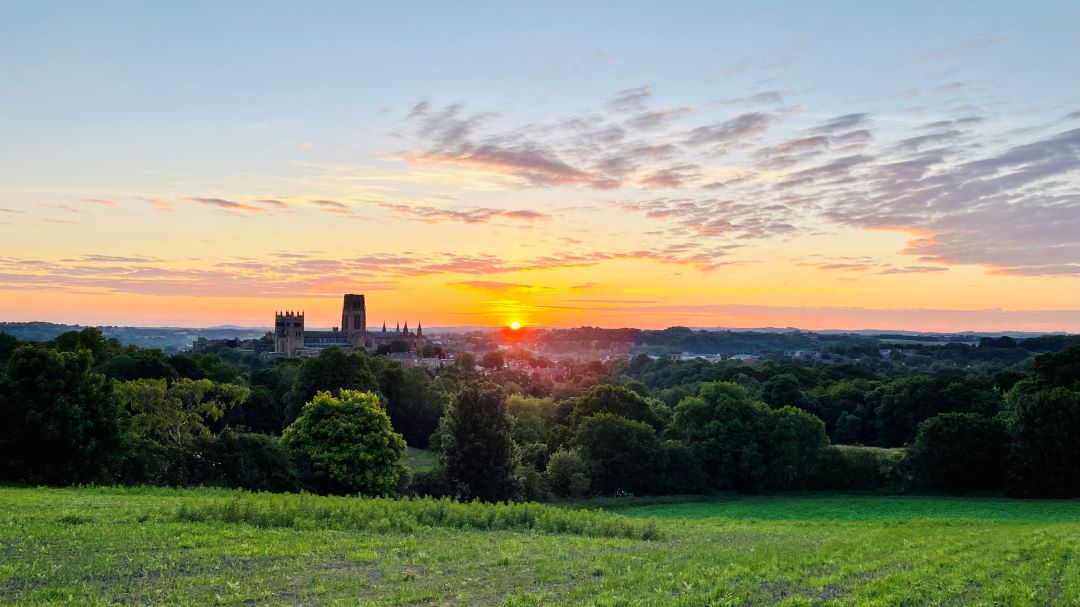
We’re very lucky here to have such easily accessible countryside, where even just a mile from the city centre can feel remote. Whilst there’s some brilliant walking to be had just around the town, I’d advise everyone to try some of the routes a little further away. Places such as Low Burnhall Woods where you can meet deer, Pelaw wood with its aesthetic bridge and spectacular views towards the cathedral, or much longer walks like towards Croxdale or Finchale Priory. 
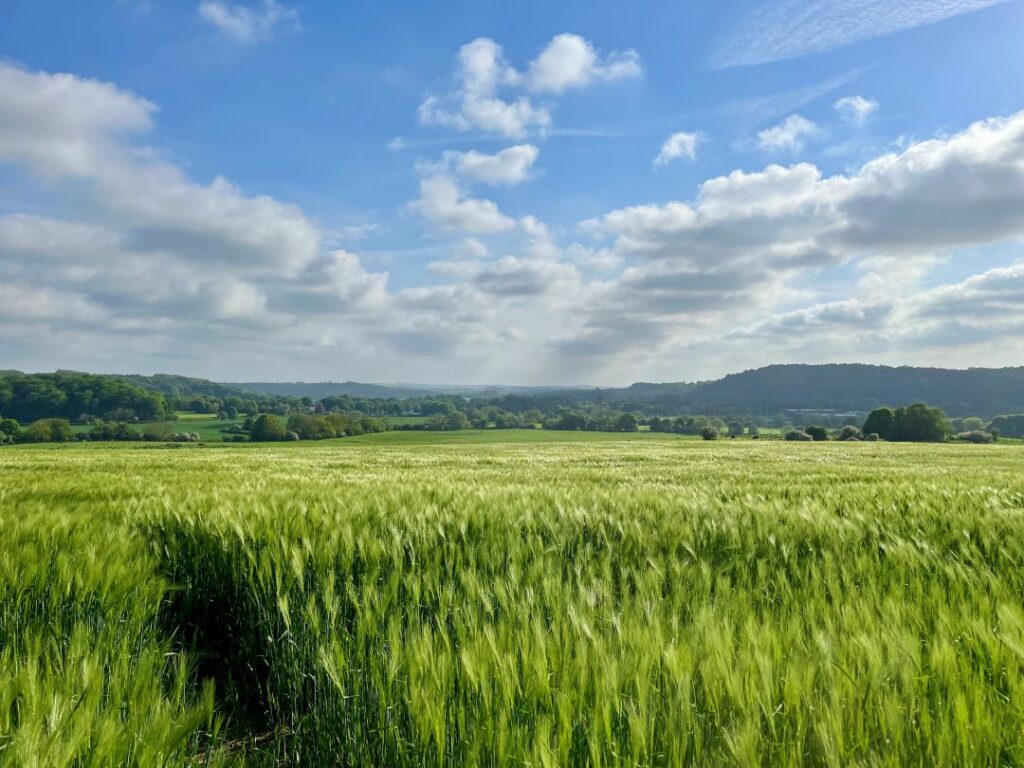
View from Low Burnhall Wood

City trips 

Durham is located closely to some great cities that are just a short train ride away. An obvious first choice is Newcastle, which must be one of the prettiest cities in Britain, and has a vibrant high street with many different things to do. But in the summer, why not head a little further, taking the metro, to Tynemouth for a day at the beach. There’s a lovely sandy stretch of beach, with a coastguard hut keeping an eye out for swimmers, plenty of cafes with ice creams available (Mr Wood’s was lovely for our lunch on the day). The views over the cliffs are incredible. 
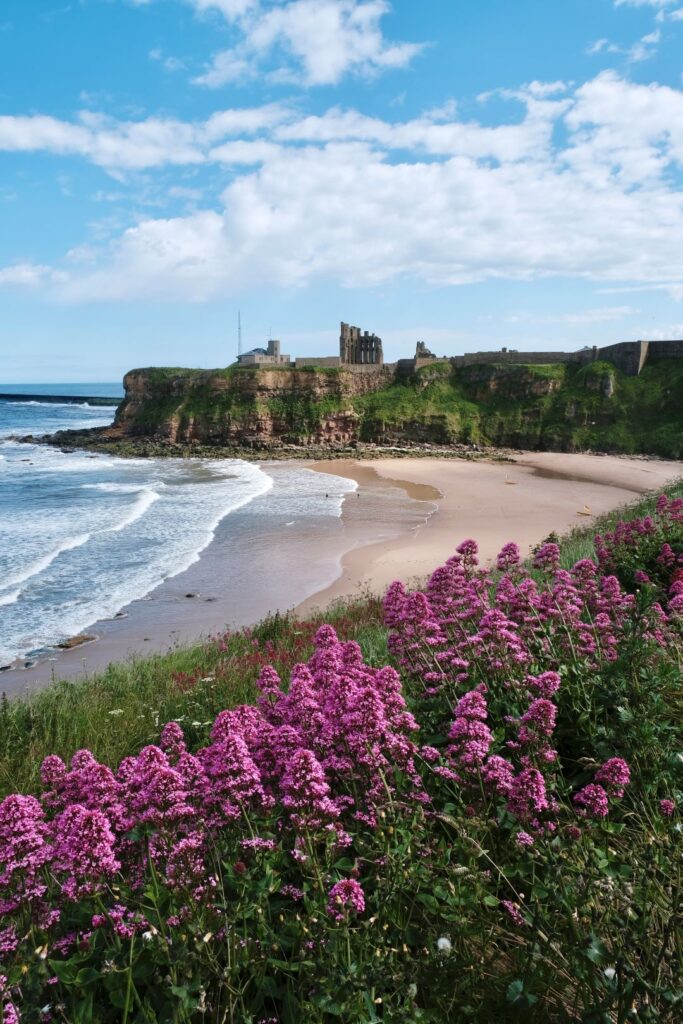
Tynemouth Priory and beach

Another ideal beach location is Seaham, though instead of the train a bus is needed (that does reduce costs though). Seaham tends to be a little quieter, but very lovely too. 

Another fabulous trip I’ve been on this year is to York. A bunch of us took a short train ride down and spent the day enjoying the sights and cafes in the city, before a little look around the railway museum. 

College events 

Colleges will usually have an annual midsummer ball and college day held in easter term. These are the highlights of the year for many people, and certainly in terms of JCR events. The balls are often held in external venues, but not always, and will have hours of entertainment; from bands, to food, to fairgrounds. Some also have a ‘survivor’s’ breakfast and photo at sunrise following the end of the evening. 
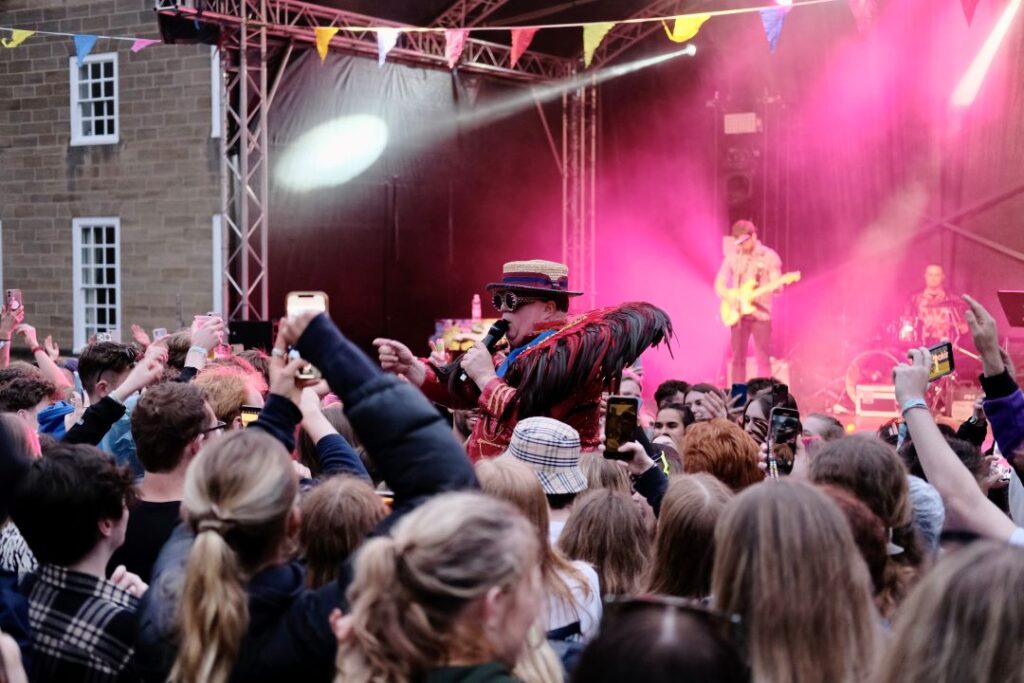
Mary’s Day

My favourite is the college day; Mary’s Day starts relatively early in the morning, and will end well after sunset. There’s a non-stop lineup of group and shows, with food vans, carnival games, and prizes all around the grounds. And it’s all subsidised by the college JCR to help make it affordable for everyone. The highlight for most people are the tribute acts at the end of the day; this year’s were Adele and Elton John, who had everyone singing along the whole way through. Even the last couple years where we experienced lots of rain didn’t stop a massive turnout (and at times this only added to the atmosphere). 

Discover more

Follow The Durham Student on Instagram, TikTok and YouTube to see what life is really like at Durham.

Watch Toby’s walking videos Low Burnhall Woods and Shincliffe Woods

Read Toby’s walking blogs Walking in Durham #1. The River Path and Pelaw Wood and Walking in Durham #2. Houghall, Low Burnhall and Croxdale

Master of social work (MSW)

I am Christopher. I am a final-year student of 2022-2024 Master of Social Work (MSW) cohort in the Department of Sociology.  

Currently, I am doing my final placement in Durham County Council hospital social work team east and social care direct team. Before joining the MSW programme, I worked in healthcare public affairs advocacy, breast cancer foundation and a banking industry secretariat for five years. Apart from the social work knowledge, skills and values nurtured from this programme, my strengths are media relations development, policy advocacy, event management, and account management of different banking and healthcare projects with a devoted attitude. My favourite subject to study is theories discussing issues around adult mental health. 

Based on my previous working experience, I uncovered that social work is another profession to empower and to engage clients with healthcare needs from perspectives different from biomedical model. It could be a rewarding profession if I could receive their affirmation regarding my direct work with them, other than advocating for a policy change with them. 

Before I came to Durham, I completed my undergraduate degree – Bachelor of Social Sciences (Major: Politics and Public Administration; Minor: Sociology) in the University of Hong Kong in 2016. I decided to study at Durham University because the ranking of this university is the highest based on different reports among all the British universities providing the MSW programme.   

What I enjoy the most about my course is when we were discussing the theoretical knowledge in relation to social constructivism, social judgemental theory, social model of disability and biomedical model, the theories provided me chances to review my past events in different stages of life course. They also provided me contrasting perspectives to perceive the world with more lens.  

In the future, I hope I could be an approved mental health professional after working in adults’ services for 2-3 years and completing the postgraduate diploma of approved mental health professional subsequently. 

If you’re thinking about coming to Durham to study this course, please research about the placement and evaluate if you could complete your life tasks after working hours (8:30pm-5pm) during a total of 170 working day placements because you need to write reflections re placements, to prepare portfolio regarding your practice in both placements and to complete your assignments after working hours. 

Lastly, think about which stream, adults’ or children’s services, would fit for your professional development before joining this programme, so that you could maximise your learning by choosing placement institutions offering relevant services in first and final year.   

Discover more

Feeling inspired? Visit our Sociology webpages to learn more about studying with us. 

Create your own personalised prospectus here

Follow our students on Instagram, TikTok and YouTube

Our Geography field trip to Rotterdam

Thursday

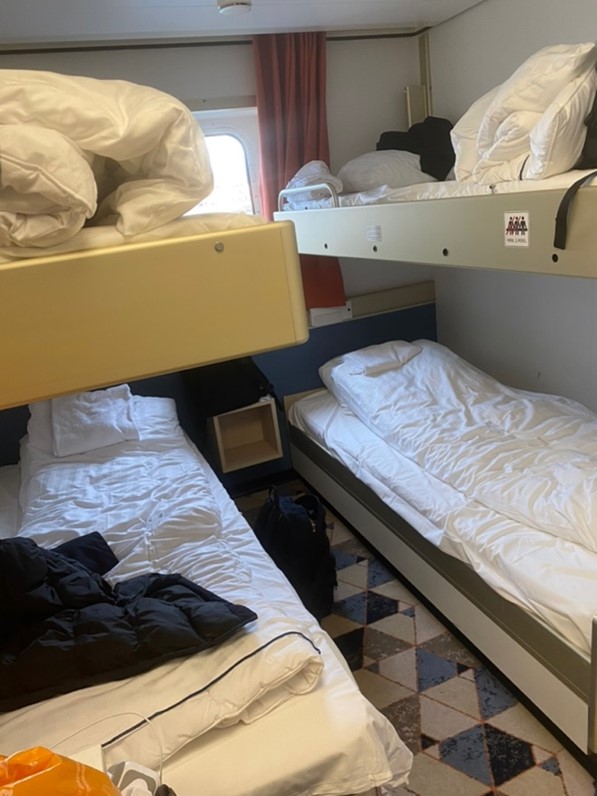
This diary begins on the Newcastle to Amsterdam ferry, where I am writing in our rather small cabin on the sixth deck. Having never been on an overnight ferry before, I must admit that the idea of sleeping in a small cabin whilst rocking on the water does feel a bit strange. However, I have come prepared with my sea sickness tablets, which seemed to have worked well so far, albeit the North Sea does seem fairly calm this evening. Most of our group seemed to have enjoyed the buffet on board the ferry, with plenty of options and different cuisines available. A particular highlight was the soft-serve ice cream that was available as a dessert – definitely pick vanilla over strawberry next time! The sea is fairly calm and I’m hoping I can get a good night’s sleep.

Friday

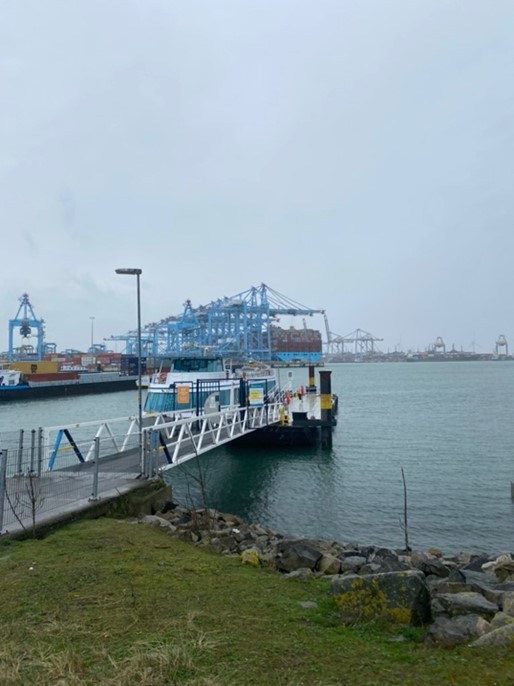
Today was jam-packed with activities! After waking up, my first realisation was that the sea was much choppier than the night before. After a hearty breakfast on board the ferry (with particularly nice bread!), accompanied by an extra sea sickness tablet, we finally arrived in Ijmuiden. Our coach met us at the ferry terminal, where we immediately made our way to the University of Technology at Delft. Here we visited the Green Village, where our guide talked us through the various innovations that had been developed for home and work spaces. However, for me, the highlight of the day was visiting the Port of Rotterdam, where we were taken on a tour of the port by boat. Our guide gave us information about the port and the functions of its different areas and was particularly useful in pointing out where the Porthos off-shore Carbon Capture Storage (CCS) project was located. A surprising sight at the port was the impressive HMS Prince of Wales aircraft carrier that was briefly visiting having come back from NATO exercises earlier in the month. After an exhausting day of events, we checked into our hostel, which had a quirky exterior design of yellow cubes tilting at different angles! The evening allowed us to explore the city somewhat, and a group settled for a pint (well, 500ml) of beer at one of the city centre’s many bars.

Saturday

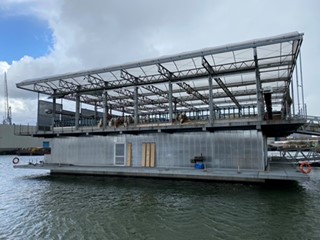
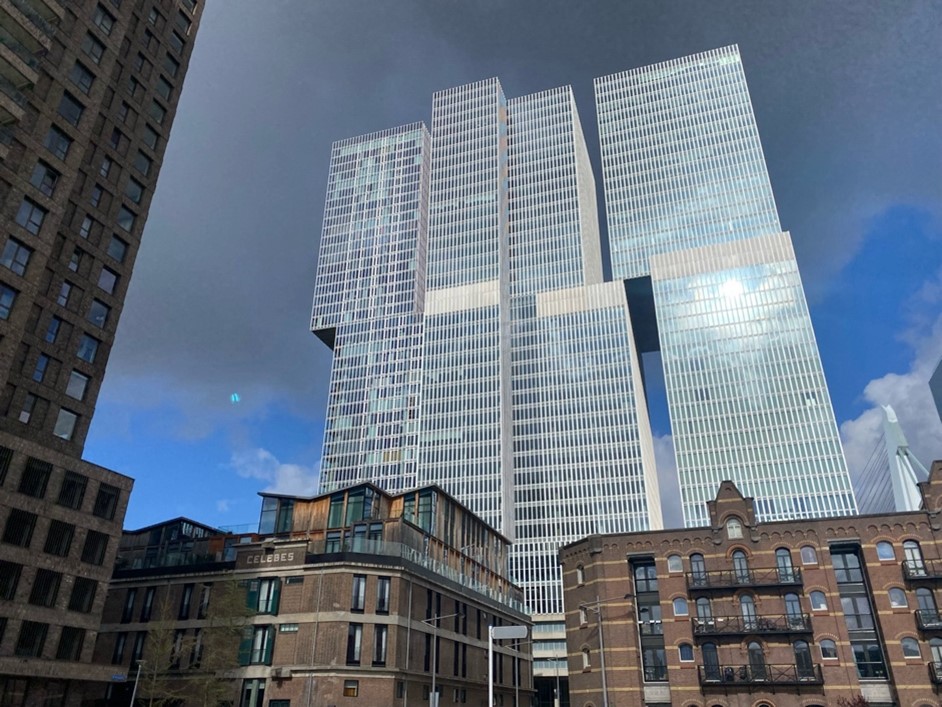
Our second day in Rotterdam began with a speedy breakfast as we dashed quickly off to the city’s unique mode of transport, the water taxi’s. These small yellow boats were really convenient at getting us right to the city centre, where we would meet our architect guide. During our tour we learnt more about the rather wacky architecture of the city, such as the Lego-esque De Rotterdam skyscrapers. Most of Rotterdam’s old historic centre was completely decimated by bombing during World War II, except for the Art Noveau Hotel New York, that once served as the departure point for Dutch emigrants heading to America. In my personal opinion, I haven’t been particularly fond of either the post-war brutalism nor the contemporary high-rises that make-up much of the city’s centre. Following our tour, we headed to the Maker’s District, where we given a talk by the volunteers at the Floating Farm, a self-sufficient farm built and floating on water that housed over 30 cattle at our time of visiting. Whilst it was an interesting concept, it did slightly feel like “tech for tech’s sake”, and some of our group questioned the ethics of housing over 30 cattle on a small grid beside the Port of Rotterdam. After a long-day, I went out for a bite to eat at one of the local burger restaurants, before settling down for the evening.

Sunday

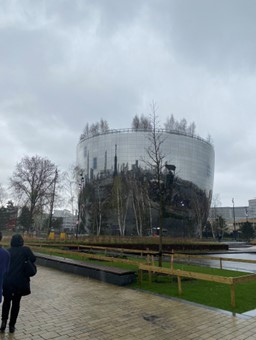
The day started more relaxed than the previous one as we headed leisurely towards Rotterdam’s architecture museum. The museum had a particularly interesting exhibition on Netherlands’ spatial planning, in which it displayed infographics of the past, present, and future plans for the Netherlands by architects and the government. In the afternoon, we split off into our project groups, with our group heading back to the central library right beside our hostel. With an interview with Porthos coming up the next day, we planned our line of questioning and divided responsibility for note-taking/asking questions. In the evening, we received a fascinating talk from an employee of Solar World, a company that provided small-scale solar energy solutions to neighbourhoods in Malawi and other African countries.

Monday

After an early breakfast at the hostel, we took a coach to TomatoWorld, a greenhouse and information centre funded by multiple different companies that develops innovative technology in the greenhouse tomato-growing sector. Entering the greenhouse was exactly like the feeling you get when stepping off a plane in a warm country, the temperature had risen about 10C to 15C! A particularly fascinating fact about TomatoWorld was that they utilised CO2 captured by industries in the Port of Rotterdam and fed it through pipes into the greenhouse to help the tomatoes grow. Following our tour at TomatoWorld, we briefly headed to the Innovation Dock, an old warehouse that was home to numerous projects, many of which were being carried out by students. However, our group left the warehouse early, as we needed to head on the metro across town to Porthos’ office in the north east of the city. We met our interviewees at Porthos, who spoke perfect English like everyone else in the Netherlands. They gave our group enlightening information about the role of CCS in the Netherlands’ energy and how the Porthos project came about. With our data gathered successfully, our group headed out to a pizza restaurant in Rotterdam to celebrate our findings.

Tuesday

After a hectic few days, today has been fairly chilled by comparison. Following a slow start, our group met downstairs in the hostel’s common area, which had plenty of workspaces. We started work on our presentation, designing the PowerPoint slides and writing scripts for the sections we had assigned ourselves. Some good news came at around lunchtime, as another company involved in the Porthos project, EBN, came back to us and said that they were available for an interview tomorrow. As their head office was in Utrecht, it meant seeing another city in the Netherlands! Our group had been slightly envious of the two groups studying urban mobilities, who had been to both Amsterdam and Utrecht in the last few days – but at least now we can also see a bit more of the country!

Wednesday

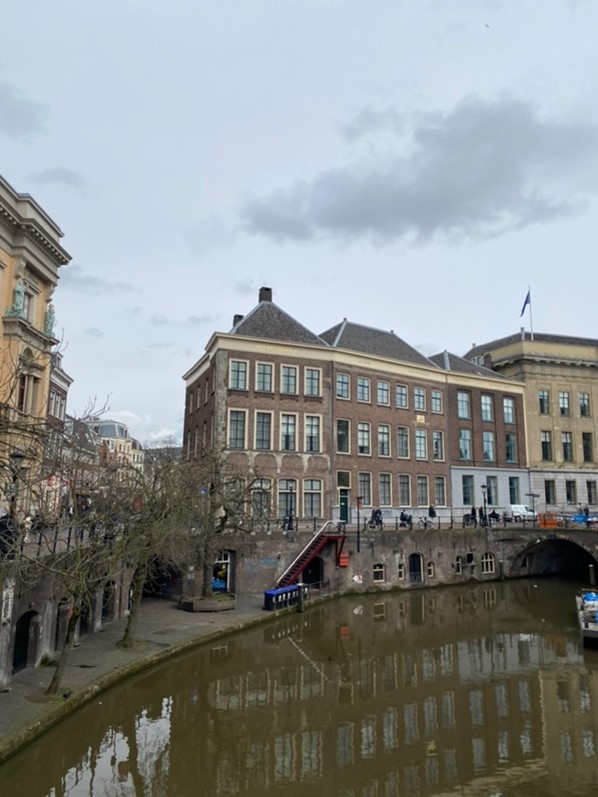
This morning we headed off on a train to Utrecht for our interview with EBN. Utrecht Central station was massive and really easy to navigate, and luckily EBN’s office was really nearby. Our interviewee was directly associated with the Porthos project and was particularly knowledgeable on the risks associated with the project and the technicalities of CCS. After our interview, we were able to explore Utrecht a bit more and find somewhere for lunch. The city was strikingly beautiful – with narrow streets and much more traditionally Dutch architecture. We found a really good Italian sandwich place selling huge cheese, salami and veg sandwiches for just €4! In the afternoon, we went to the university’s library, which we were able to enter as students. Something that I found very interesting was the amount of English being spoken by other students who were presumably studying at Utrecht University! We headed back to Rotterdam just before dinner, and as of the time of writing, have spent the evening working on the last touches of our presentation!

Thursday

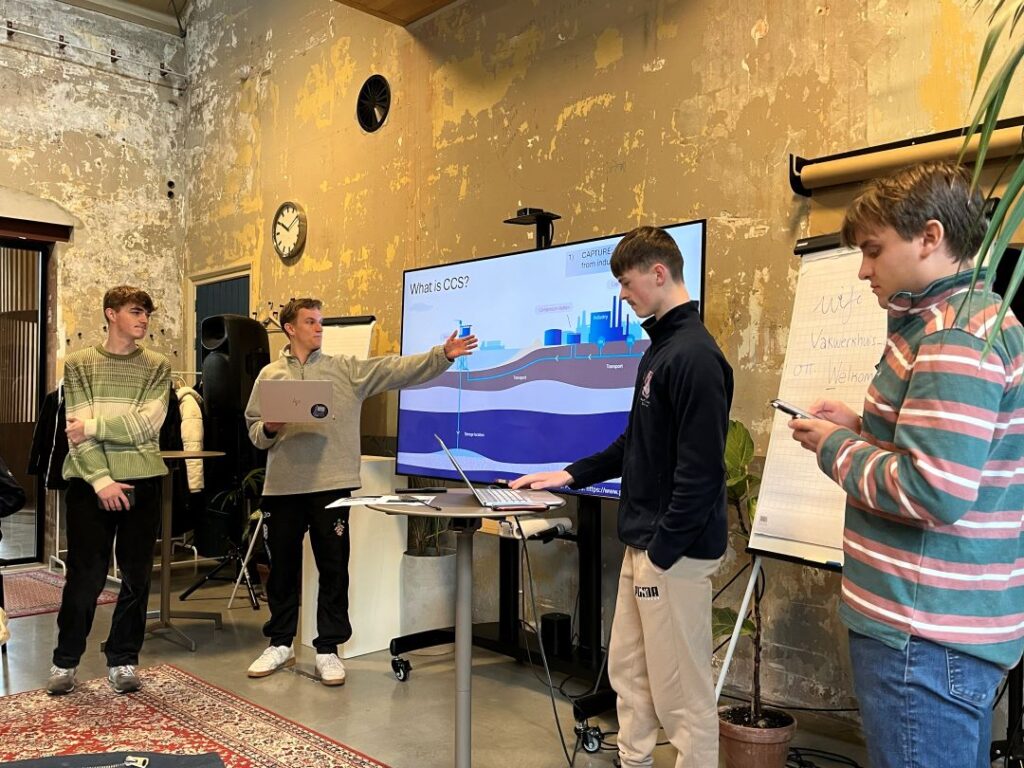
Our last day in the Netherlands! We headed this morning to where it all started, Delft, where we had booked a private room in a co-working space to conduct our presentations. We were up second, and I would be lying if I said I wasn’t a little nervous. However, our preparation from the last few days paid off massively, as we all finished thinking it had gone really well. I was impressed by the effort put in by the other groups as well, and particularly the clear and professional design of their PowerPoint slides. With the assessment out the way, we had a quick lunch at the co-working space, headed into Delft (another city with great architecture) for some snacks for the ferry and got on our coach back to IJmuiden. Although I was looking forward to getting back for some rest after a jam-packed trip in the Netherlands, I have to say that overall, the trip was great fun and I really enjoyed working with my team on our CCS project.

Discover more

See highlights from the field trip to Rotterdam here

Feeling inspired? Take a look at our Geography Department webpages

Follow The Durham Student on Instagram, TikTok and YouTube

Create your own personalised prospectus here

Studying MSc Criminology at Durham as an international student

I did my undergraduate in law back in India, and criminology was one of the subjects I found most interesting, which is why I chose to do an MSc in Criminology and Criminal Justice. I chose Durham University because it was one of the best universities for criminology in the UK. Also, what interested me was the way the course and specific modules were structured.

A change of pace

Although I was initially uneasy moving from a big city to a tiny, quiet town like Durham, I now find a change of pace to be quite lovely. Since then, I’ve grown to like taking leisurely strolls to and from classes while simply taking in the scenery which is also a bit refreshing. I was halfway through my first term when I finally got used to being on my own, acclimated to the temperature, and started interacting with people.   

A different academic system                          

I found it a bit tough to adjust to the academic system at first because it is completely different. Here, we don’t have lectures every single day, and the lectures are also more like group discussions, where everyone is open to all sorts of opinions. This made me feel a bit confident in expressing my opinions in front of my peers.

The amount of reading that needed to be done was a bit daunting at first because, during my undergrad, my assessments were completely based on exams, and we didn’t have a dissertation. But here, you need to read articles and journals and provide critiques and arguments for them. I feel this let me delve much deeper into every topic that we studied.

The department

I feel the Sociology department has been very welcoming and supportive of the students, especially international students. They hold an informal social meeting every term where they check up on us and ask us about our experiences. They also make sure we tell them if there is anything they could do for us that they aren’t aware of so we can get the most out of our degree. One of the best aspects of the degree is that the professors are always willing to mentor and assist us, whether it be academically or otherwise.

My favourite modules

The most interesting modules for me were the placement module and the Prisons, Crime and Justice module. As a part of the placement module, I get to volunteer as a mentor at the Durham Police and Crime Commissioners Office, which I feel gives me a good experience of what it’s like working with people and has also allowed me to make connections in my field. As a part of the Prisons, Crime and Justice module we had a workshop where we held group discussions with the prisoners at HMP Durham.  I feel like this would be one of my most memorable experiences during my degree. This module was also a part of why I chose Durham for my master’s program.

College

Being an introvert, the collegiate system here gave me a chance to attend formal dinners and get to know people outside of my academics, making my social life a bit richer. Being away from my parents for the first time was not easy, but my college and the Student Union held a lot of cultural events for international students like me, which made me feel a little less homesick during festivals. Durham has provided me with a positive academic and social experience that I will always cherish.

Discover more

Feeling inspired? Take a look at our Sociology Department webpages

Follow The Durham Student on Instagram, TikTok and YouTube

Create your own personalised prospectus here

What you need to know about the undergraduate collegiate system

When applying to Durham, I’m sure most of us were both intrigued and intimidated by the collegiate system. The endless hours spent binge-watching Jack Edwards created an idyllic expectation of the collegiate life. But what is the collegiate system? And how does it actually work?

Durham University is one of the very few UK Universities with a collegiate system, which is what makes us quite special. The collegiate system allows students the opportunity to find a community/family at Durham where they can meet students from all backgrounds, courses and degree levels. It makes the process of transitioning to university much easier as you’re constantly surrounded by people who understand you, and are going through a shared experience.

Which is why it’s important to understand the ins and outs of the collegiate system before diving in to university and college life.

How many colleges are there?

Durham University has 17 colleges all located across the City, the Bailey, and what’s known as the Hill (near main Science Site).

  1. Hatfield {Bailey}
  2. Castle (University College) {Bailey}
  3. St Cuthbert’s Society {Bailey & Old Elvet}
  4. St Chads {Bailey}
  5. St Johns {Bailey}
  6. St Hilde Bede {the main bulding is close to Gilesgate but the college community is moving to a new location in 2024 near the city centre due to refurbishments}
  7. St Aidan’s {Hill}
  8. Grey {Hill}
  9. Trevelyan {Hill}
  10. Ustinov (Postgraduate only college)
  11. South {Hill}
  12.  John Snow {Hill}
  13.  Van Mildert {Hill}
  14. Stephenson {Hill}
  15.  Josephine Butler {Hill}
  16.  Collingwood {Hill}
  17.  St Marys {Hill}

I’ve done my research, now what do I do?

Whether you’ve attended an open day, spent hours googling and searching social media for all there is to know about each college, the time has come for you to rank your college preferences. Also, the tricky part. Upon receiving an academic offer from Durham, you’ll be asked to rank 16 of the colleges according to your preference (1 as your first, 16 as your last). My biggest advice to incoming students is to take this process seriously, and to rank ALL 16 according to your preference properly and not just the first 3 or 6. Also, to properly do your research, whether that’s attending open days, speaking to ambassadors online or browsing through the social media pages. The most important thing to remember is, college preferences are not 100% guaranteed! The university will do its absolute best to allocate you your top preferred college, but that will not always be the case. Which is why it’s important you rank all colleges properly.

Preliminary allocation, allocation, and reallocation

Understanding the lingo of the collegiate system is integral, it avoids confusion, stress and anxiety during the allocation process. Fear not, I am here to break it down:

  • Preliminary Allocation- Once you rank all 16 colleges according to preference, you will be entered into the college allocation process, usually beginning in May. And will receive a preliminary allocation until results day. This allocation is NOT your final allocation, and is rather done in preparation for your final allocation.
  •  Final Allocation– Once your place at Durham has been confirmed after results day, you will receive a final allocation. This allocation may be different to your preliminary allocation or for some not, but it is your final and confirmed allocation.
  • Reallocation– While incredibly stressful and unfortunate for some, reallocations do happen (not always!) when a college becomes oversubscribed, and yes, sometimes you are reallocated a college you were not expecting or to your delight, are reallocated a college you originally ranked higher. However, the University will always try its best to reallocate you to suitable or similar college to your preferences.

The most commonly asked question after preliminary allocation or final allocation is whether you can change your college if you are unhappy with the choice. The answer is situational. If your allocated college cannot provide for your medical or accessibility needs, then a request to change your college can be made.  But, if it’s simply you not liking your college, then that is not grounds for a request to change your college and you cannot change your college based on that.

How does the allocation process actually work?

You’re probably wondering, are allocations first serve? Whether you firmed Durham? Well, the answer is quite complicated. The Allocation process takes into account various factors when allocating you a college and is an incredibly complex process and system to understand. Applicants are grouped into two categories:

  • Applicants who have filled out the preference form, ranking their colleges.
  • Applicants who have not ranked their college preferences.

Applicants from both categories will go through the allocation process until finally, a preliminary allocation is provided.

The allocation criteria take into consideration the required quota for each course in a college and your college rankings. Meaning, if a college is overly subscribed or you were not allocated your top choice, it probably means they’ve filled the required number of students from that course. You may think these criteria isn’t fair, but, it’s a necessary criterion as it allows for an equal and diverse mix of courses/course levels within each college; which makes the college experience and student life at colleges better for students 😊

What if I don’t get my first choice?!!

Yes, sometimes, you won’t be allocated your first choice, or your second or even 6th. But it’s important to know that whichever college you are allocated, you will end up loving and proudly defending when it comes to college rivalries and debates. Your first choice may be the one you wanted, but your allocated college will end up being the one you needed all along.

You’ll find an amazing community waiting for you at your college, regardless of whether it was your top choice or not, and you’ll have some amazing memories to look back on further down the years after you graduate 😊

Discover more

Find out more about the undergraduate college application process here

Read more student stories about College here

Read about Harry’s experience of being reallocated

What’s it like studying Physics

Why Physics?

When applying to unis, I was always pretty certain that I wanted to study physics. After reading a great book about it a few years ago, I found understanding why things worked at a fundamental level really cool, and the idea of studying crazy phenomena like black holes and quantum theory seemed awesome to me!

A typical day

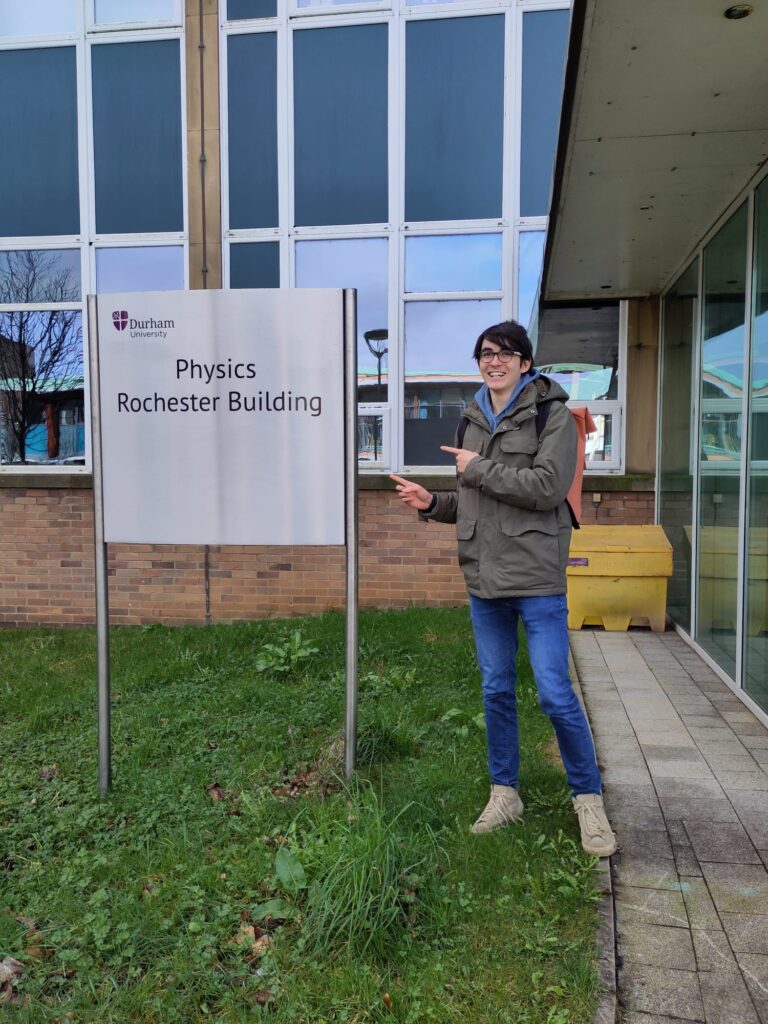
A typical day in my life sees me waking up half an hour before lectures, quickly having breakfast and taking the 5-minute walk down to the science site (a definite upside of being at Trevelyan college!). Contact hours are all an hour long and there are generally 3-4 of them every morning, ranging from tutorials to lectures to workshops, after which I head back up the hill to Trevs for a catered lunch. My afternoon is then generally spent in the library, most likely doing assignments, going over lecture notes or preparing for tutorials.

My top tips

Being a first-year student, I was glad there wasn’t much module choice in terms of physics, because I would have had no idea what I wanted to specialise in! However, roughly half of our modules are maths modules, and I picked the ones focussed more on teaching the maths needed for physics, instead of the ones giving a more rigorous, abstract approach. These modules were my favourites in first term, and I found it really cool how they took the maths I’d learnt at school a step further and showed us where it all came from.

My favourite part of second term has been the physics side of the course though! While in the first term I didn’t really interact much with physics outside of lectures and assignments, in the new year I started going over my lecture notes and using the textbook to make sure I really understood what was going on. Doing this has made me enjoy the course much more! It’s more work, but I’d say my main learning from first year is that you get as much out of the course as you invest in it.

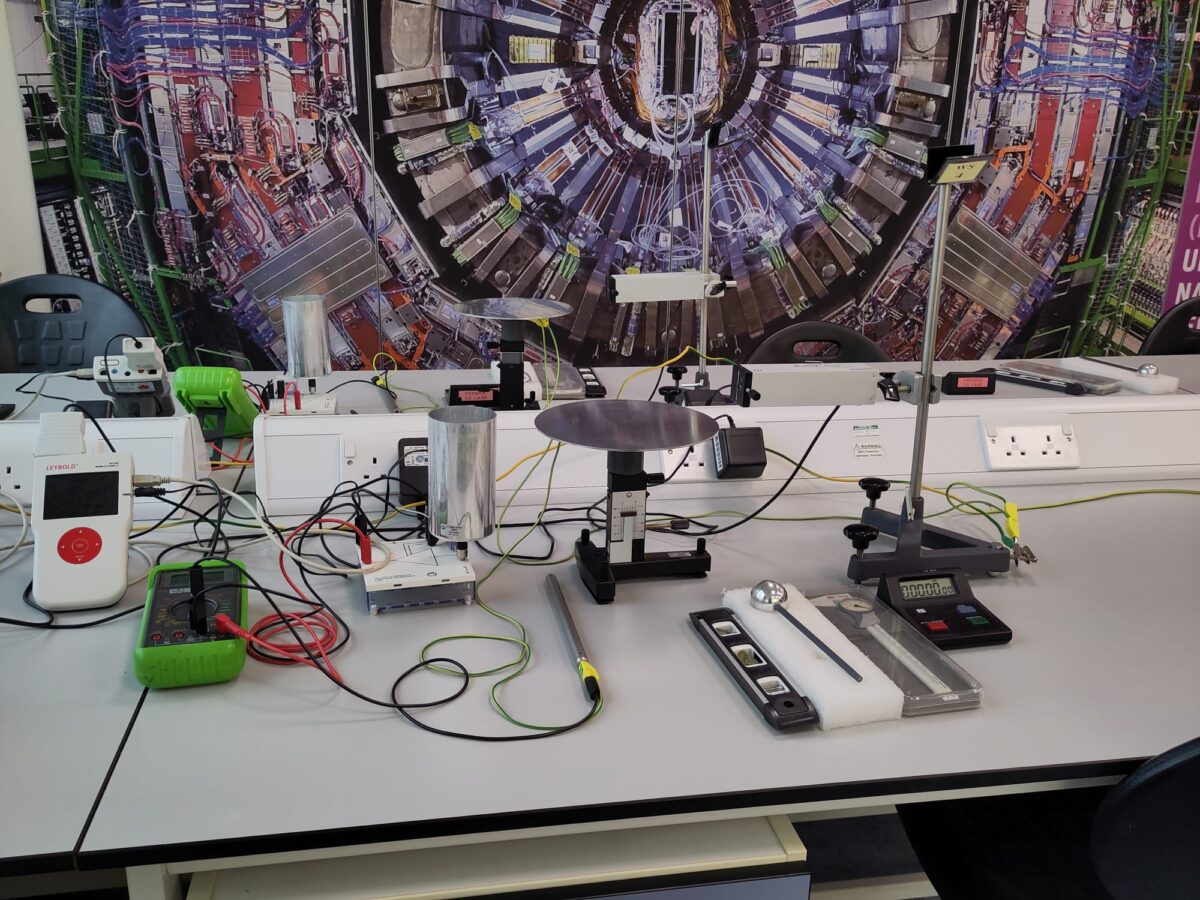
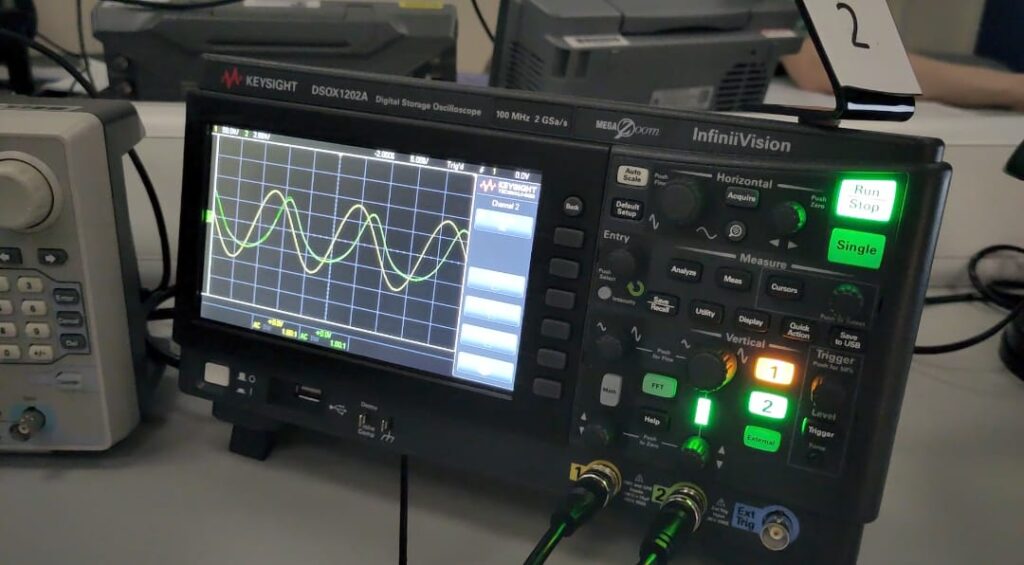
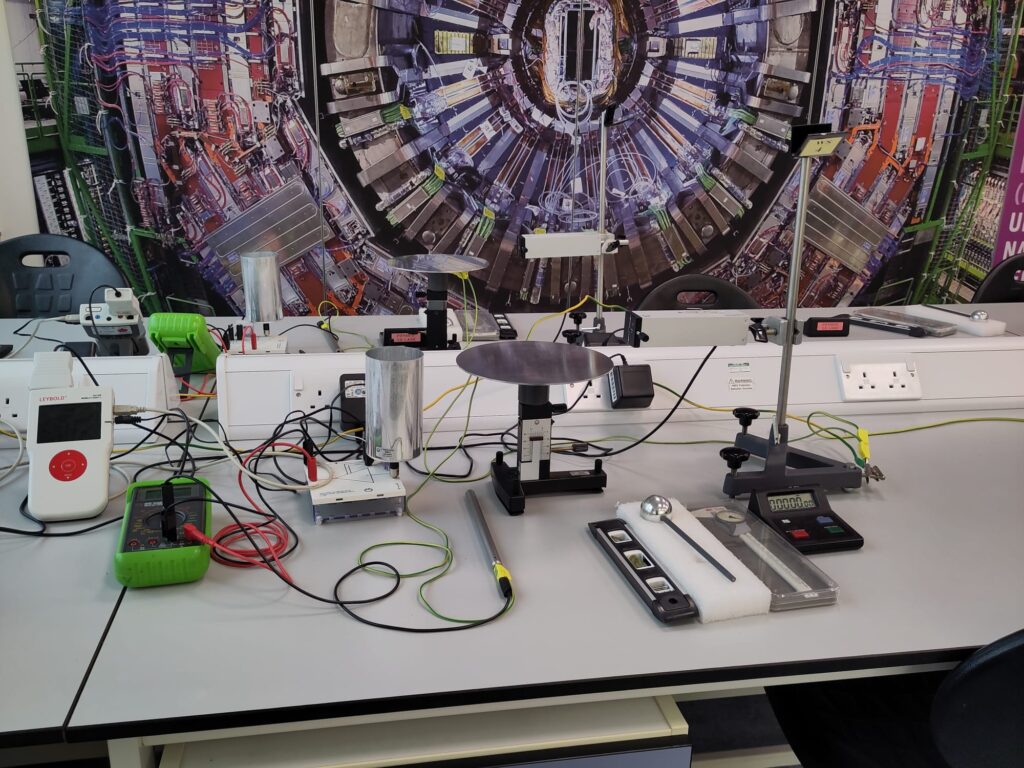
Once a week we also have a three-hour lab session, and just like the theoretical part of the course, I’ve enjoyed it much more in second term! My favourite experiment so far has been measuring the speed of light, which we did by bouncing the light off a mirror and measuring the time delay between when it was emitted and when it came back. Apart from the fact that we got a really accurate result, I really enjoyed it because it branched the theory we’d been doing with real life.

Friends and free time

Before coming to uni I was worried that my degree might mean I was working all the time, but, in first year at least, I’ve found that balancing friends/societies and my workload has definitely been doable. I spend most of my free time with my friends and often in the evenings we do something together like baking or playing a game. I also always look forward to my Wednesday evenings, where I play DnD with a group I met through the Durham Games society!

Frisbee, frisbee, frisbee!

I’m also on the Ultimate Frisbee team for both Trevs and Durham! Before coming to uni I’d never played, but now I have training three to four times a week and generally a match over the weekend. I’ve also been around the UK a bit for matches or tournaments with the Durham team, which is always great fun! Sport has always been a great way to destress for me, and Ultimate Frisbee has been a great new discovery!

Discover more

Feeling inspired? Take a look at our Physics Department webpages

Follow The Durham Student on Instagram, TikTok and YouTube

Create your own personalised prospectus here